



Complex Care and High-Intensity Disability Support

The right support for complex needs.
CareChoice has been supporting Victorians with complex and high-intensity disability support needs since 2007.
Our qualified Support Workers are backed by dedicated Team Leaders, Registered Nurses, CareChoice’s Clinical Lead and specialist professionals, helping bring the right people, skills and oversight around your support.

What do we mean by Complex Care?

Complex care describes disability, TAC or WorkSafe support that requires additional planning, coordination, specialised skills or day-to-day assistance.
That can look very different from one person to the next.
It might involve several types of support working together. Support Workers with specific training. Clinical or behavioural expertise. A larger care team. Or extra planning around a significant change, such as leaving hospital or moving into a new home.
Complexity may also come from navigating several systems, such as disability, health, housing, mental health or justice.
The right support starts with what matters to you. Your goals, routines, preferences and the life you want stay at the centre, with the right expertise and support built around you.
Who we support.
When extra support is required, we are registered to provide High Intensity Daily supports and Implement Behaviour support plans for clients with multiple and complex needs.
Complex care can help when:
- several support requirements need to work together
- Support Workers need specific skills or training
- more intensive day-to-day or overnight support is required
- health, behavioural or clinical needs add complexity
- several professionals are involved in your care
- you're preparing to leave hospital or rehabilitation
- you're moving into a new home
- your current support arrangement is no longer working.
Our experience.


CareChoice has experience supporting people with:
- Acquired and traumatic brain injury
- Spinal cord injury
- Cerebral palsy
- Multiple sclerosis
- Motor neurone disease
- Huntington's disease
- Muscular dystrophy
- Stroke
- Autism Level 3
- Intellectual disability
- Psychosocial disability
- Complex behaviours
- Schizophrenia
- Borderline Personality Disorder
- rare or degenerative conditions.

Support for high-intensity daily needs.

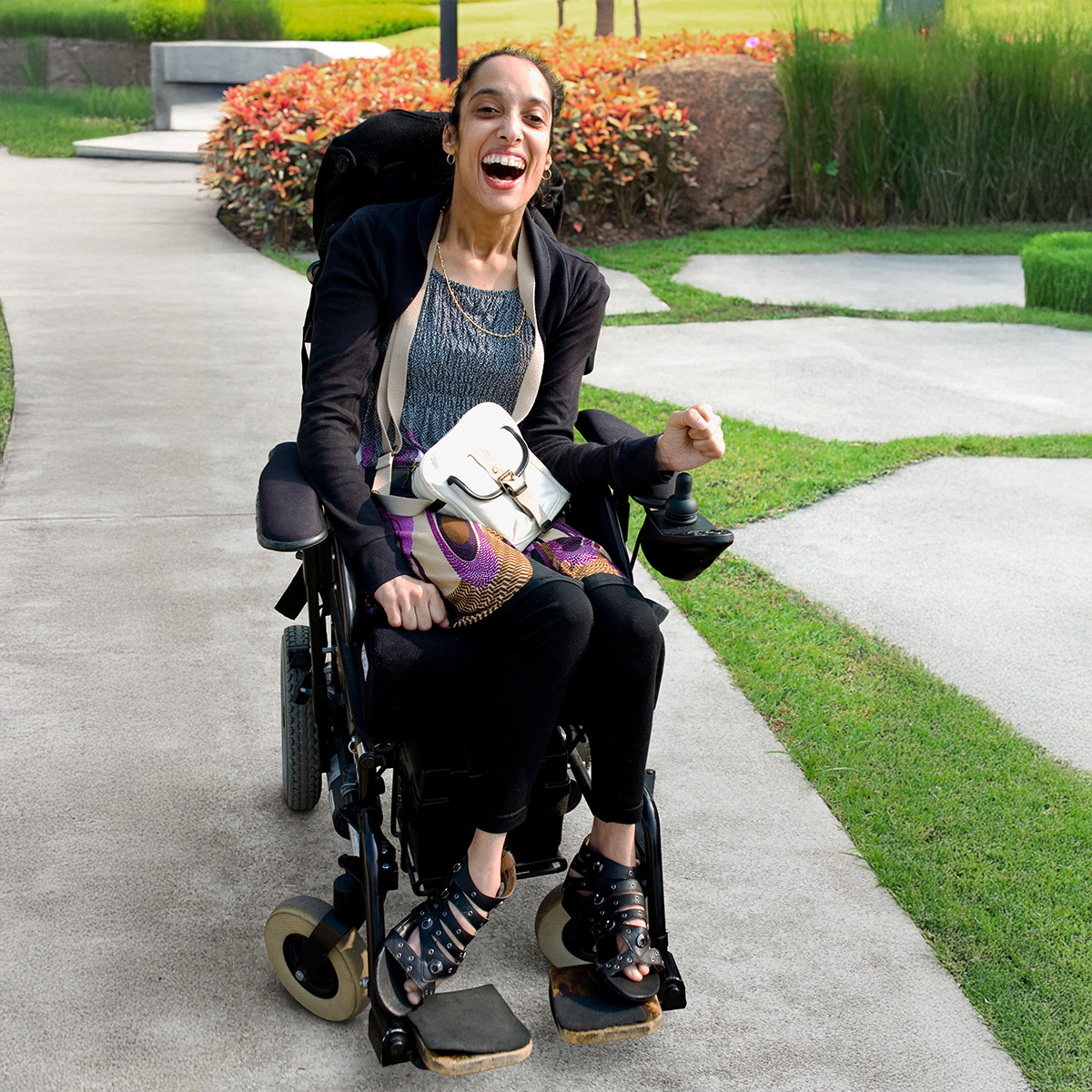
Some people need additional support with disability-related health needs or daily activities that require Support Workers with particular training and competencies.
Depending on your individual needs, support plans and funding, this may include assistance with areas such as:
- Complex bowel care
- Enteral feeding support
- Dysphagia support
- Ventilator support
- Tracheostomy support
- Urinary catheter support (indwelling, in‑out, suprapubic)
- Subcutaneous injections
- Complex wound care
- Epilepsy and seizure support
- behaviour support plan implementation
Support is planned around the individual and delivered in collaboration with their treating health practitioners and wider care team.
Our team will take time to understand how you communicate, how you prefer information to be shared and what helps you make choices about your support.
Why CareChoice?

The capability behind your support
When support needs are complex, having the right person there day to day matters. But so does everything behind them.
Training, clinical expertise, leadership, communication and regular review all help support stay safe, consistent and responsive.
At CareChoice, we put that capability around your frontline team, so you can stay at the centre of your support.

Experience behind the team
CareChoice has been supporting Victorians with complex and high-intensity disability support needs since 2007.
We understand how disability, health, behaviour, risk and everyday life can intersect, and what it takes to bring your support together.
A team prepared for you
Quality complex support starts with people who understand you and how you want to be supported.
We match qualified Support Workers to the skills, experience and approach your support requires, with client-specific training around your individual needs, routines, support plans and risks.
Clinical expertise behind your support
Registered Nurses, Behaviour Support Practitioners, CareChoice's Clinical Lead and other specialist professionals can provide additional expertise, guidance and oversight. This can include supporting the implementation of health and behaviour support plans, responding to changes and helping the frontline team understand how support should be delivered consistently.
Leadership that keeps your support connected
For 24/7 complex care programs, a Team Leader oversees your support and provides a consistent point of contact for you, your family and wider care team.
That helps keep everyone working from the same understanding of what matters to you, with a clear pathway when questions arise or something changes.
Support that evolves with you
Complex support shouldn’t stand still when your life changes.
Regular communication, review and collaboration with the people involved in your care help us recognise changes and adapt your support as your needs, goals or circumstances evolve.
The right care. The right home. Together.
Sometimes the right support also depends on having the right place to live.
Through our relationships with reputable SDA providers, we can help bring personalised support together with contemporary housing options and carefully planned transitions.
Complex transitions, carefully planned.

Changing support should not mean starting from scratch.
Whether you are leaving hospital or rehabilitation, moving into a new home or changing providers, complex transitions can involve a lot of moving parts.
We take the time to understand your needs before support begins, work alongside the people already involved in your care and prepare your Support Workers around your individual plans, routines and requirements.
We can organise client training specific to your needs, with handovers and shadow shifts where appropriate. This may include spending time with you in hospital, rehabilitation or your current home setting as your transition takes place.
It means your new team can start with a better understanding of you, your support and what matters in your everyday life.
Our focus is on having the right people, information and support in place so your transition can be as coordinated and consistent as possible.
Explore Hospital Discharge Support

Next steps.

Getting started with Complex Care
Complex care often takes careful preparation. We take time to understand what's needed and put the right people and arrangements around you.

Talk to our team about your current situation, support needs, funding, location and any important timeframes.
We take time to understand your disability, health and behavioural support needs, routines, preferences, communication needs and goals, involving the people you choose where appropriate.
We identify the right team structure, Support Worker skills, training, clinical input and communication arrangements.
Once the right people and plans are in place, support can commence. We stay connected with you and the people involved in your care to review how things are working and respond as your needs change.
Meet the team.

Experienced people working together around you.
Better support comes from working together. Depending on your support needs, your CareChoice team may include:
- Qualified Support Workers
- Dedicated Team Leaders
- Registered Nurses
- Behaviour Support Practitioners
- Client Relationship Managers
- Disability Managers
- Quality and Clinical Governance professionals.
We can also work alongside the healthcare and allied health professionals already involved in your care.
For you and your family, that means clearer communication and a team working together around your needs.
For referrers, we provide responsive intake, clear communication, consistent reporting and flexible service delivery, helping support continuity from hospital or rehabilitation into the community.
What our clients say.

CareChoice has been incredibly supportive, allowing me to step back from full-time caring and enjoy more quality time with my partner.
CareChoice has been incredibly supportive, allowing me to step back from full-time caring and enjoy more quality time with my partner.
Sharon, Family memberMarch 2026You have been a brilliant advocate for my client and have overseen a huge improvement in his quality of life.
MareeGuardianFAQs.
Complex care describes support for people whose disability, health, behavioural or everyday support needs require additional planning, specialised skills or coordination.
Yes. CareChoice currently provides 24/7 complex support where required. The exact arrangement depends on the person’s needs, location, funding and circumstances.
Depending on your circumstances and the support required, Complex Care may be funded through the NDIS, TAC, WorkSafe or another eligible funding arrangement.
Yes. With your consent, CareChoice can work alongside medical specialists, allied health professionals, Behaviour Support Practitioners, Support Coordinators, Case Managers and others already involved in your care.
High-intensity disability supports are disability-related supports that involve additional risk and require Support Workers with specific skills and competencies.
Depending on your individual needs and support plans, these may include supports such as complex bowel care, enteral feeding, dysphagia support, catheter management and other high-intensity daily personal activities.
Only accredited disability providers can provide high intensity supports.
Complex care is a broader way of describing support that may involve multiple disability, health, behavioural or daily living needs and require additional coordination or expertise.
High-intensity disability support relates more specifically to disability-related health supports that require Support Workers with specific skills and training as outlined in the NDIS High Intensity Support Skills Descriptors and demonstrated with competency assessments.
High-intensity supports attract a higher NDIS funding rate than standard supports and include support for clients with:
- Complex Bowel Care
- Enteral Feeding Support (naso‑gastric tube‑jejunum or duodenum)
- Dysphagia Support
- Ventilator Support
- Tracheostomy Support
- Urinary Catheter Support (In-dwelling Urinary Catheter, In-out Catheter, Suprapubic Catheter)
- Ventilator management
- Subcutaneous Injections
- Complex Wound Care Support
- Intensive and Complex Behaviour Supports
Yes. Support Workers delivering high-intensity supports need the skills and competencies relevant to the specific support being provided.
At CareChoice, we prepare teams around each person's individual support requirements, with relevant training and competency assessment where required.
The information required will depend on the support you need. Relevant, current support plans, management plans and guidance from appropriately qualified health practitioners help establish how particular high-intensity supports should be delivered safely.
When establishing your support, we'll work with you and, with your consent, the health professionals and other people involved in your care to understand what's required.
Complex care isn't a separate NDIS funding category. Depending on your individual circumstances, disability-related supports may be funded through different parts of your NDIS plan.
High-intensity supports need to reflect the specific disability-related support you require and the funding available in your plan.
CareChoice also supports eligible clients funded through TAC and WorkSafe.
Yes. We can work with the person, their family, hospital or rehabilitation team and other professionals to understand what needs to be in place for an eligible person to transition safely into the community.
This may include support planning, establishing and preparing the team, coordinating clinical information and working with accommodation providers where required.
CareChoice can support people with complex behavioural needs, and as an accredited providers can implementing Behaviour Support Plans where this forms part of the person's agreed support arrangements. Our teams can work alongside Behaviour Support Practitioners and other professionals involved in the person's care.
CareChoice works with reputable SDA providers and can help bring suitable housing options together with the support and transition planning required around the person.
You don't need to work that out before contacting us.
Tell us what's happening, what support you need and what's important to you. We'll listen, ask the right questions and talk with you about whether CareChoice is the right fit and what the next step could look like.
Let’s work out what good support looks like for you.

Tell us what's happening, what matters and what you'd like to change. We'll listen, ask the right questions and help you work out the next step.